Natalie... |
 |
|
Ottawa is one of Canada’s fastest growing cities. As Realtors, it is increasingly difficult to be an expert in all the neighbourhoods of the city. As a result, many agents choose to specialize in specific communities where they feel connected, often where they live. The benefits of this specialization to any client is that the agent usually develops lasting relationships with community members and maintains an ongoing knowledge of the political, social, physical and economic features that affect this territory, including sales trends and potential listings.
To this end, Natalie and her team concentrate on working with buyers and sellers in Ottawa’s urban core. Having grown up in Old Ottawa South, attended Glebe High School, lived in Sandy Hill as well as having built two infill developments in the Golden Triangle and Centertown, Natalie knows her way around the inner City and has always been a fan and advocate of it.
We understand the schools and their programs, the community amenities and the fabric of each of these special places to live. Contact us to discuss YOUR community of choice!
|
 |
|
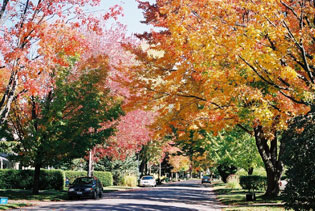
Manor Park
A quaint east end neighbourhood, Manor Park has the luck of being isolated from its closest of neighbours, offering a rural feel in this city.
|
| |
 |
 |
|
| |
|
|
|
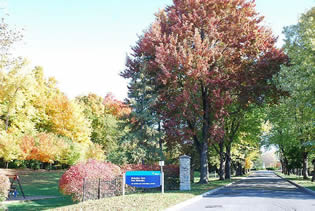
This mature neighbourhood development dates back to the 1940s and is separated from its closest west-side neighbours, Rockcliffe Park, by McKay Lake and the National Cemetery of Canada, Beechwood Cemetery, separates Manor Park from its neighbours to the south, Vanier. At the edge of the community is the Ottawa River.
Living in Manor Park, you quickly will see this is a community that cares. An active community association advocates to the city for homeowners and the community council runs daily, weekly and monthly programs out of the local public school and field house. Programs include day care, after-school activities, summer camps, sports programing and exercise classes for the young and old.
Local shops and convenience stores are on the nearby street, St. Laurent Boulevard; as well as the Beechwood Avenue shopping district is only moments down the road.
SUMMERTIME FUN
Hot summer nights in this neighbourhood can be enjoyed with an ice cream from the local Dairy Queen and a walk over to the Royal Canadian Mounted Police Rockcliffe Stables, where Canadian heritage and history is honored annually with the RCMP Musical Ride Centre’s parade and festivities.
Baseball diamonds, soccer fields, the Canada Aviation and Space Museum and the Rockcliffe Boathouse Marina all offer up plenty to do in this community.
The Rockcliffe Parkway provides hiking, cycling and walking trails.
Although living here may give homeowners the feeling they are miles away from an urban core, accessibility to downtown for drivers is no problem with the Vanier Parkway and Highway 417 both easy options.
OC Transpo also serves Manor Park for easy service to wider destinations. Visit http://www.manorpark.ca for more information about this neighbourhood.
|
 |
|
 |
|
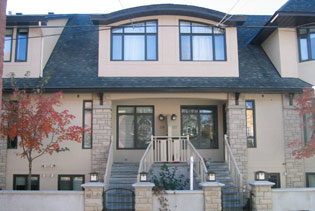
New Edinburgh
Bordered by the Rideau River and Stanley Park to the west, Beechwood Avenue to the south and bordering Rockcliffe and Lindenlea to the north and east, New Edinburgh is one of Ottawa’s most desirable urban communities. |
| |
|
|
|
| |
|
|
|
Located to the east of downtown, New Edinburgh was founded in 1829 by Thomas McKay, one of the builders of the Rideau Canal. This neighbourhood is home to one of Ottawa’s heritage conservation districts. The area is rich in history and includes neighbours such as the Governor General, the Prime Minister and many foreign embassies and consulates.
Steps to Beechwood Avenue and the OC Transpo, this neighbourhood is the perfect place to live if you prefer your feet to wheels. A traditional Main Street, Beechwood Avenue has restaurants, shops and grocery stores all within minutes of residential streets.
The neighbourhood is boarded by the Rideau River to the west and the Ottawa River to the north and includes links to the National Capital Commission pathway and parks.
A PLACE A DOG CAN RUN
New Edinburgh is one of the closest downtown neighbourhoods that have a dog park, where dogs can run freely. The dog-park designated area is part of a larger, National Capital Commission park, which connects cyclists, runners and outdoor lovers to the NCC pathways. Visit www.newedinburgh.ca for more information about this neighbourhood.
|
|
|
 |
|
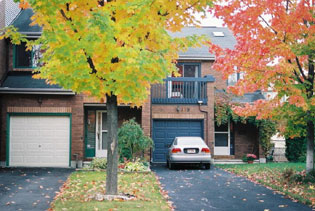
Cardinal Glen
Also known as Dunbarton Court, this neighbourhood was built in the late 1980s and is home to 144 spacious, open concept townhomes. Located only minutes from downtown, this neighbourhood offers both traditional two storey homes and multi-level modern units. |
| |
|
|
|
| |
|
|
|
This community is close to rich Canadian history, with the National Cemetery, Beechwood Cemetery, and the Notre Dame Cemetery both close-by.
With major streets abutting this neighbourhood, public transit is an easy and affordable option for living in this city.
COMMUNITY CONNECTIONS
Pedestrian trails connect this urban development to the Richelieu Community Centre, a public library and North America’s only urban Sugar Shack.
This is an active community, with its own community association as well as a strong partnership with its northern neighbour Manor Park. For more information on the neighbourhood of Cardinal Glen, visit www.manorparkliving.com and www.manorpark.ca
|
|
|
 |
|
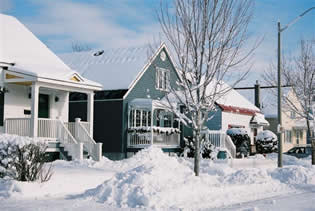
Beechwood Village
This quiet, unassuming community is being noticed lately as a real, interesting, emerging urban neighbourhood. A mix of singles, semis and apartments, this is an eclectic area to be sure! |
| |
|
|
|
| |
|
|
|
The housing stock is mixed and dates back to the turn of the century to the 1950s, but also boasts some newer infill homes. Residents have been renovating and improving the area and people are taking note.
This area offers the same amenities as its neighbours to the north at a more affordable price. Shopping on Beechwood is accessible, as well as DFAIT and downtown, by foot or on bike. It is well serviced by bus routes such as the 7, 5 and 3. As well, this community is close to the Rideau River, bike paths and parks, as well as The Pond, Stanley Park and le parc des Pères Blancs boasting North America’s only urban sugar bush.
Recent to the area is availability of the Steiner-Waldorf pedagogy at the French Public School “Le Trillium”. Visit www.trilledesbois.com for more information.
The development at 100 Landry Street will bring an impressive 800 housing units to the neighbourhood. Construction got underway during the summer of 2008.
Another news making development is Le Saint Denis, a fabulous infill development boasting 19 elegant townhomes and 49 loft condominium units in a once abandoned school. Visit www.lestdenis.ca for complete details.
Visit: www.beechwoodvillageliving.com |
|
|
  |
|
Quartier Vanier
Once its own municipality within Ottawa, Quartier Vanier is now the broad name for the old city which was also known as Eastview and Janeville over the years. It borders Beechwood Avenue to the north and abuts the community known as Overbrooke to the south.
The heart of the city’s francophone community, Quartier Vanier has been undergoing tremendous change and development in the last few years. Having become known as one of the Ottawa area’s least desirable places to live, the community organized and took the lead to promote itself, improve its streets, support its businesses and be proud of its neighbourhood, thus dispelling the “label”. You are invited to visit the website of the Quartier Vanier Merchants Association BIA.
|
| |
|
|
|
| |
|
|
|
There are many interesting features, such as the yearly Sugar Festival, the Muséoparc at the Centre Richelieu, and the murals that have been painted by local artists and installed to represent the community’s history - see the article in the Ottawa Citizen: Vanier's history in pictures.
House prices still being affordable, many young people are choosing to make it home as it boasts all the same urban features and accessibility as its tonier neighbours. Keep your eyes here! Things are on the move!
|
|
|
 |
|
Rockcliffe Park
With plenty of stunning old world architecture, mature trees and green space, Rockcliffe is one of Ottawa’s most beautiful neighbourhoods. This exclusive neighbourhood is one of Ottawa’s wealthiest and most historical, featuring many impressive homes. |
| |
|
|
|
| |
|
|
|
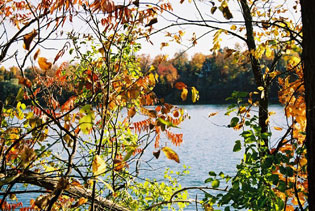
Located northeast of downtown Ottawa, it sits on the southern Banks of the Ottawa River. Neighbouring Vincent Alexander Park, Mason Park, Lindenlea and New Edinburgh provide some commercial entities that aren’t available in the purely residential Rockcliffe. McKay Lake is on the east side of the community, while the Ottawa Rockery, a large rock garden maintained by the NCC is also available for residents to enjoy.
Rockcliffe is home to many embassies, ambassadors, dignitaries and more recently, leaders of the high tech industry. If school rankings are important to you, it’s interesting to note that Rockcliffe Park is home to two of Ottawa’s most prestigious private schools: Elmwood School and Ashbury College.
A large community hall and library complex was initially privately funded by Rockcliffe residents, but is now a branch of the Ottawa Public Library, the only one in the city with a special collection of art related books.
Visit: www.rockcliffeliving.com
|
|
|
 |
|
Alta Vista
Alta Vista is a residential neighbourhood with large backyards, schools, community centres and churches in this strong, community minded area of the city. |
| |
|
|
|
| |
|
|
|
This area is located from Smyth Road in the north, St. Laurent Boulevard in the east, Walkley Road and Heron Road in the south, and Bank Street and Riverside Drive in the west and with steps to the Rideau River to the west as well as parks throughout the community, this neighbourhood has a vast amount of park and green space.
Public transit is a great option for this Ottawa community, with two transit stations within the neighbourhood and links to OC Transpo Transitway, connecting residents to the rest of Ottawa.
AMENITIES
The Ottawa Hospital’s general campus and the Children’s Hospital of Eastern Ontario are located in Alta Vista and shopping is only steps away with two shopping centres, Billings Bridge Plaza Shopping Centre at Bank Street and Riverside Drive and the Elmvale Acres Shopping Centre at St. Laurent and Smyth Road. There are multiple schools in the neighbourhood, for both the French, French Catholic, Catholic and English school boards.
|
|
|
 |
|
Beacon Hill
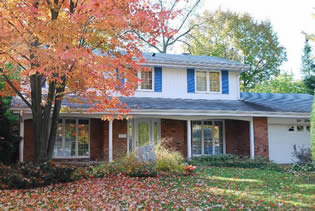
Beacon Hill is primarily a residential area built in the 1960s and 70s. It has many schools, parks and lots of green space.
|
| |
|
|
|
| |
|
|
|
Located just to the west of the National Capital Commission’s greenbelt, residents can enjoy the peace of mind of knowing they will always be close to nature.
South of the neighbourhood is one of Ottawa’s main highways, Highway 417, making commuting and getting around the city both fast and convenient.
An active community, Beacon Hill is close to shopping and parks and living in this neighbourhood gives residents many reasons to get out of the house to have some fun.
There are many activities to choose from including public parks, bike paths, walking trails and even some toboggan hills. Beacon Hill is truly a wonderful place to live and play; it is also an excellent place to raise a family. Please visit www.bhca.ca for more information about the community.
|
|
|
  |
|
Beechwood Estates
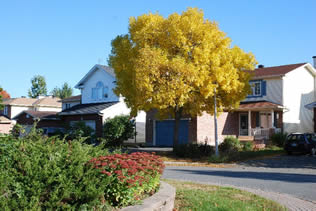
This is a small enclave of homes at the top of Granville Avenue that was mostly built 15 years ago but also includes homes built in the 1950s.
This hidden bijou of a neighbourhood offers suburban styled homes in an urban neighbourhood! You can live close to downtown at a reasonable cost without giving up all the amenities you have come to enjoy! Families living here can walk to Le Trillium French Public School with its unique offering in the Steiner-Waldorf pedagogy. Visit www.trilledesbois.com.
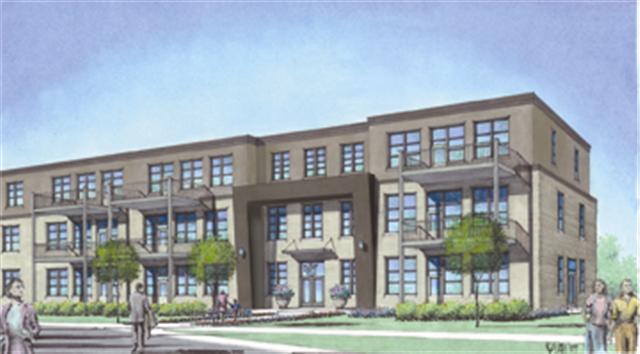
The exciting new development Le Saint Denis (www.lestdenis.ca) is under construction and will bring 70 new home owners to the Quartier starting in December 2008.
|
| |
|
|
|
| |
|
|
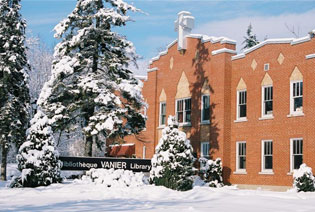
The area has great access to the Champlain Centre Community Hall, the Vanier Library with its excellent collection of French works, playing fields, a wooded area and walking paths, as well as easy access to transit via OC Transpo route 5 bus. DFAIT is no more than a 20 minute walk and Parliament Hill can be reached in 45 minutes by foot. Beechwood Avenue’s Bridgehead Coffee Shop is a quick 10 minute stroll from here.
Here is an area worth taking a look at!
Visit: www.beechwoodvillageliving.com |
|
|
  |
|
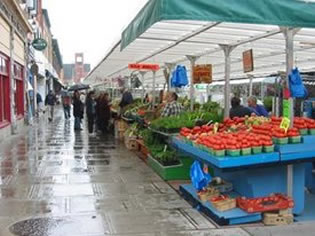
Byward Market
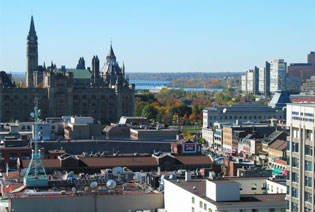
This is Ottawa’s oldest area, having been home to our pioneers since the 19th century. It is also referred to as “The Market” as this is where the longest running farmers’ market is located.
This neighbourhood is home to many quaint boutiques, art galleries, restaurants and bars and all the activity that comes with them. It is Ottawa’s premier tourist district.
|
| |
|
|
|
| |
|
|
|
A very charming yet mixed neighbourhood with very affluent residents living alongside some of Ottawa’s most destitute, the area closest to Rideau Street is being redeveloped with many new and upscale condominium towers while the northern streets are still quiet, mostly single home enclaves.
It is a popular area for those who like “action” and who do not want to be car dependent. The entire central business district is an easy walk away.
|
|
|
|
|
|
Cardinal Heights
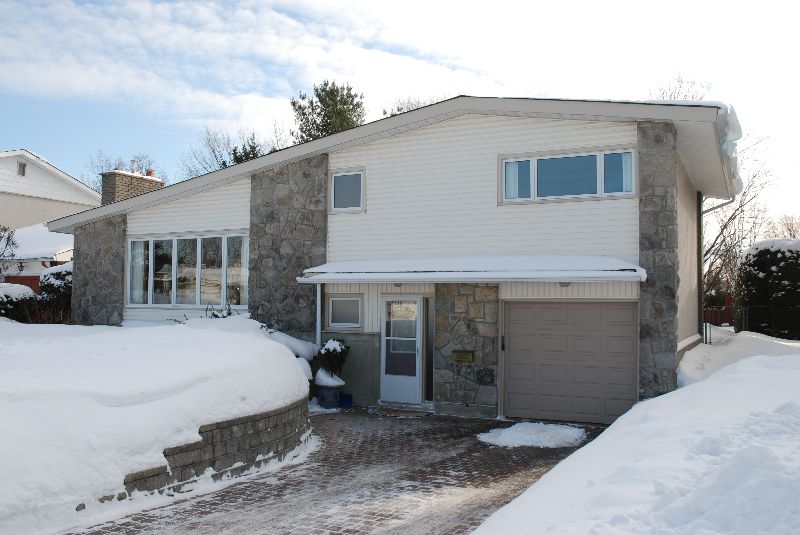
Located to the south of Montreal Road, east of Blair Road and northwest of Ogilvie Road, Cardinal Heights is a lovely neighbourhood, ample in rich natural beauty, and a great place to settle down in. |
| |
|
|
|
| |
|
|
|
A suburban neighbourhood, Cardinal Heights, provides homeowners a choice to be surrounded by forests, parks and many community services and is within walking distance to the Gloucester Shopping Centre, a movie theatre and restaurants.
Residents who call Cardinal Heights home do have the option of leaving the car at home, with multiple OC
Transpo connections, getting around the city from this neighbourhood is incredibly easy.
Public schools, one of two of the city’s splash wave pools, a library and easy access to two of the city’s major highways, Highway 417 and Highway 174 make this neighbourhood an excellent option to call home.
|
|
|
|
|
|
Carson Grove
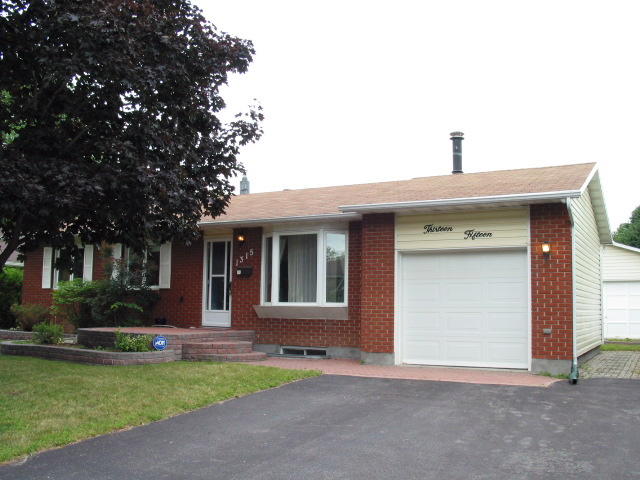
The neighbourhood of Carson Grove is found just south of the neighbourhood of Carson Meadows, and north of Pineview in Ottawa’s east end. |
| |
|
|
|
| |
|
|
|
A strong suburban neighbourhood within the city’s boundaries, Carson Grove provides homeowners a choice to be close to downtown, the city’s major highway connections and shopping amenities all while living amongst a forest and park setting.
There are many community services including close proximity to Montfort Hospital, the St. Laurent Shopping Centre, one of two of the city’s splash wave pools, a library, as well as many of the unique shops and restaurants in Vanier, just north of the neighbourhood.
Several schools and churches are within walking distance and public transit is an excellent choice to get around as OC Transpo has several routes that service the neighbourhood.
|
|
|
 |
|
Centretown
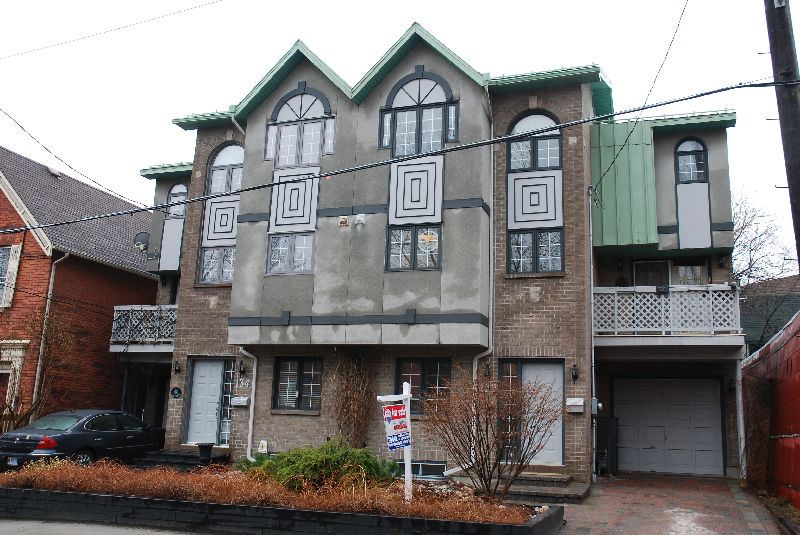
This area is bounded on the north by Gloucester Street and Lisgar Street, on the east by the Rideau Canal, on the south by the Queensway and on the west by Bronson Avenue. Traditionally it was all of Ottawa west of the Rideau Canal, while Lower Town was everything to the east.
For certain purposes, such as the census and real estate listings, the downtown core (between Gloucester/Lisgar and the Ottawa River) is included in Centertown.
|
| |
|
|
|
| |
|
|
|
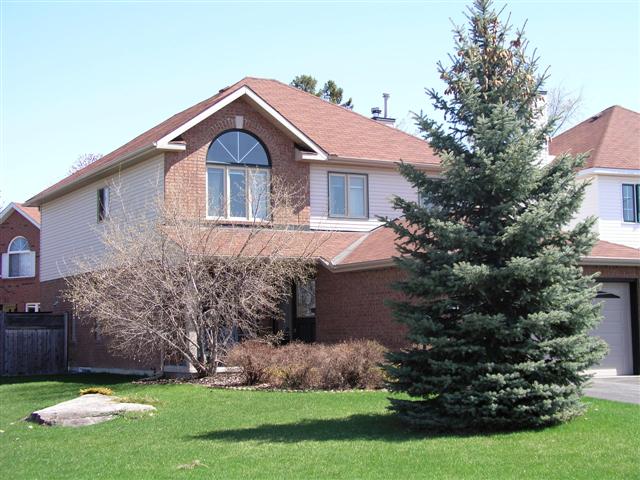
Centretown is a mix of both residential and commercial.
This downtown neighbourhood is home to a variety of restaurants as well as a number of specialty shops. Whether the desire is to live in an original Ottawa downtown single family home or a new development, there is an abundance of choices in this neighbourhood. With 100 and counting sit down restaurants and 100 take out eateries - living in the centre of it all may be a dream for the young professional or Ottawa university student.
ENTERTAINMENT
The benefits of living in this urban neighbourhood includes walking distance to the Canadian Museum of Nature, embassies and consulates, many churches, the Ottawa Curling Club, four indoor recreation facilities and many outdoor recreational areas for both winter and summer sports.
|
|
|
 |
|
East Ottawa (Orleans and Blackburn Hamlet)
The suburban community of Orleans, east of Ottawa, has been experiencing rapid growth for many years and especially since becoming part of the city in 2001.
|
| |
|
|
|
| |
|
|
|
ORLEANS
This area is comprised of many neighbourhoods including: Avalon, Beacon Hill, Beaconwood, Blackburn Hamlet, Cardinal Heights, Carlsbad Springs, Carson Grove, Chapel Hill, Chateauneuf, Convent Glen, Cyrville, Fallingbrook, Hiawatha Park, Orleans Wood, Rothwell Heights and Terra Nova Estates.
The community is thought to have been named by its first postmaster, Théodore Besserer, after his place of birth, the Île d'Orléans near Quebec City. Orléans was an incorporated police village from 1922 to 1974 and was known as St. Joseph d'Orléans.
Orleans has a large French speaking population, and has many French based schools. There are two secondary schools and seven grade schools located in the community. As well there are many recreational facilities in Orleans, including a YMCA, a movie theatre, skating rinks and lots of bike paths.
Orleans is just a short drive from downtown Ottawa. Place d'Orleans, a substantial shopping centre, is at the centre of Orleans and is easily accessible off the 417 (Queensway).
BLACKBURN HAMLET
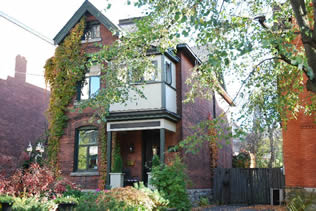
This area of Ottawa dates back as early as 1803, when English, Irish, French and Scottish descendants first arrived and settled.
A suburban development which prides itself on having a village feel, this area is one of the closest to downtown Ottawa, boasting a 10 minute drive to the Parliament Buildings, but also offers residents a 10 minute walk to groceries, banks, medical and dental offices, drug stores, pubs and restaurants and legal services. An active community, there is a public library, community centre, 11 parks, outdoor pool, Catholic, French and English schools and seniors residences make up the rest of the amenities this hamlet has to offer.
A HIKER’S DREAM
Connected end to end with bike paths and treed parks, this neighbourhood has over 250 kilometers of hiking and cross-country skiing trails.
This is one of only two suburban areas which is surrounded by the National Capital Commission’s Greenbelt lands, as well as the Canadian Federal Conservation Authority lands – lands owned by the Royal Canadian Mounted Police.
It is home to the Ottawa region’s most sought after toboggan hills, at Green’s Creek, along with outdoor soccer fields at the Hornet’s Nest that has hosted international soccer tournaments. The Hornet’s Nest Park also has a community garden, which has been maintained by residents for the past 25 years. If you wish to find out more about Blackburn Hamlet, please go to www.blackburnhamletliving.com
|
|
|
 |
|
Golden Triangle
This well situated, attractive neighbourhood is right in the heart of Ottawa's downtown sector. The area is bordered on the north by Laurier Avenue, on the south by the Queensway, on the east by the Canal and on the west by Bank Street.
|
| |
|
|
|
| |
|
|
|
The Golden Triangle is part of the Centretown neighbourhood, located in the heart of downtown.
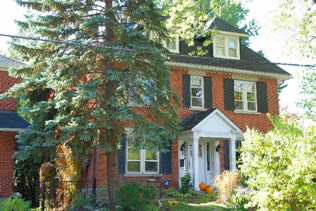
It is home to some of the most beautiful and historic homes in the city with many single family homes as well as converted into multi-family dwellings.
Condo living is a great option in this neighbourhood for those starting out or those seeking to downsize. Close to many downtown government buildings, this area is perfect for anyone who likes being close to his or her work.
This neighbourhood is just a few minutes to walk from such historic sites as the Canadian Parliament Buildings and the 100 year-old Chateau Laurier hotel.
It is bordered to the east by the world UNESCO heritage site, the Rideau Canal, also known as the world’s largest skating rink. Beyond skating in the winter, the canal offers both a beautiful view and a wide variety of activities such as walking and biking on the many kilometers of pathway and boating in the summer.
|
|
|
 |
|
Highland Park
A sub-neighbourhood of Westboro, this community is home to many large luxury homes, middle-class homes, low-rise apartment buildings and condominiums making it a great place to buy a home or rent. |
| |
|
|
|
| |
|
|
|
A tight community with a rich history, this area offers residents multiple options once they step outside their door including walking distance to the Ottawa River and shopping in Westboro village.
There are parks, schools, tennis courts, a baseball diamond and a soccer field in this neighbourhood. Public transit is an easy option for residents in this neighbourhood with access to the OC Transpo transit way.
Much like many parts of Ottawa, it is only a short walk or bike ride to the National Capital Commission’s pathways, which connect runners, walkers and cyclist to anywhere in the city.
|
|
|
 |
|
Hintonburg
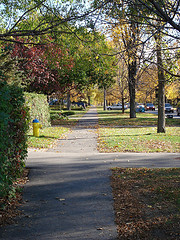
Hintonburg is Ottawa’s first true art district. With homes that date back to the 1850s to new infill developments, this area offers a quaint village feel all while living within minutes to Ottawa’s downtown core.
|
| |
|
|
|
| |
|
|
|
This area has much to offer, including large churchyards, a summer farmer’s market, narrow streets and family-owned shops, galleries, theatres and dance studios.
There are a wide variety of specialty shops, including one of the best places in Ottawa to shop for antiques. Eating out with friends and family is only steps away from the door, with many funky and elegant restaurants to choose from.
The neighbourhood’s hub is its community centre. The centre has many large meeting rooms, a double gymnasium and a pre-school area where active community groups meet on a weekly and monthly basis.
Surrounded by heritage homes and new developments, this area is one of Ottawa’s fastest growing hot spots. For more information on the neighbourhood of Hintonburg, visit www.hintonburg.com.
|
|
|
 |
|
Island Park
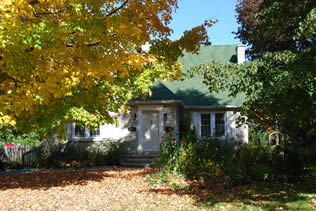
This is a well-established neighbourhood located in the central west area of Ottawa.
|
| |
|
|
|
| |
|
|
|
Island Park offers stately homes on mature treed lots. This area is close to both the Ottawa River Parkway and Highway 417, so driving downtown takes less than 15 minutes. Work in Quebec? This neighbourhood hugs the Ottawa River and with the Champlain Bridge connecting the two provinces, this interprovincial commute is a breeze.
Public schools are in the neighbourhood as well as it’s a short walking distance to the shops and local eateries on Wellington Street and great restaurants.
PLENTY TO DO
The south end of the neighbourhood leads to the Central Experimental Farm – a large open farmland in the middle of the city – this space is great for going for a run, cycling, or cross-country skiing. Pathways along the Ottawa River are also available.
Diplomats and other Island Park residents can frequently be seen in the park walking their dogs.
|
|
|
 |
|
Kingsview Park
Kingsview Park is a small neighbourhood on the east side of the Rideau River. |
| |
|
|
|
| |
|
|
|
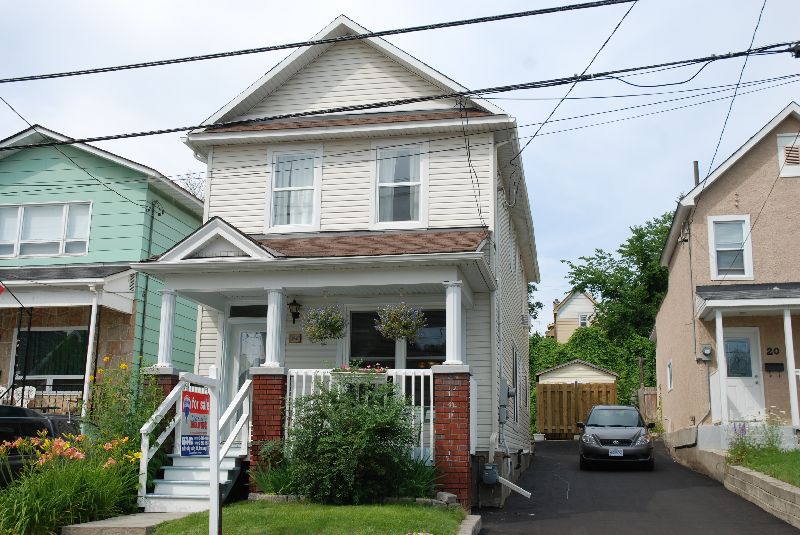
A small community of homes and apartment dwellings, this area was developed in the 20s and 30s. The quiet streets and large lots make this area desirable.
With the Vanier Parkway to the east, Beechwood Avenue to the north and Montreal Road to the south you are only steps from local shopping and grocery stores.
This beautiful and quaint neighbourhood also has the National Capital Commission’s pathways and parks at its doorstep.
It is only a 20-minute walk to downtown and a 5-minute walk to the nearest OC Transpo bus stop.
|
|
|
|
|
|
Little Italy
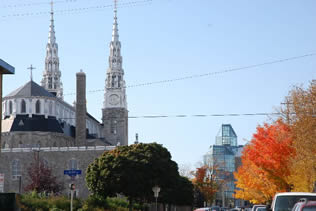
Little Italy is a cultural hot spot for anyone who loves shopping local and eating great. |
| |
|
|
|
| |
|
|
|
With Ottawa’s largest Italian population in Ottawa living here, this area makes homeowners feel right at home, with parks, pedestrian-friendly streets and family owned and operated businesses where every customer is treated like part of the family.
In a city full of government and office buildings that call it quits at 5 p.m., Little Italy’s entertainment district is just getting started.
With multiple great Italian eateries, two comedy clubs and a theatre, this part of town will always have something going on, making living here a constant joy.
Thinking green? Or want to leave the car for long trips out of town? Close to Albert Street to the north, Carling Avenue to the south and Bronson Avenue to the east, getting around on transit can be incredibly easy.
Ottawa’s O-Train, part of Ottawa’s OC Transpo transit system, lies right on the western border with buses which will take you downtown in less than 20 minutes.
RIDE TO QUEBEC FOR THE DAY
At the edge of the community lies Dow’s Lake, a canoe or paddle boater’s dream in the city in the summer and the start of Canada’s largest skating rink in the winter.
The park also links to the National Capital Commission’s trail system, which offers bike paths downtown, along the Ottawa River and connects to Ontario’s neighbouring province, Quebec. Visit www.prestonstreetbia.com for more information about Little Italy.
|
|
|
 |
|
Lowertown - Byward Market
Lowertown is in the heart of Ottawa’s downtown core. A neighbourhood rich in history, Canada's oldest continuously operating farmers' market, the ByWard Market calls Lowertown its home.
|
| |
|
|
|
| |
|
|
|
One of Ottawa’s heritage conservation districts in the city, the market mixes old time flavour with today’s style and pace.
Ottawa’s entertainment district and the Rideau Centre Shopping Mall are located in Lowertown.
A mixture of old and new, condominiums and beautiful century old homes, this is the neighbourhood that helped build Ottawa to what it is today.
A WALKER’S DREAM
Whether it is your weekly shopping needs, a walk in the park or a night out on the town, this neighbourhood is the place to live. If you work downtown you do not need transit living here. You are within steps from the Parliament Buildings, city hall and embassies and when 6 p.m. rolls around there are multiple bars and restaurants, movie theatres, the National Art Gallery of Canada and shops to keep you busy.
And only steps to the Rideau Canal, Canada’s longest skating rink, this neighbourhood has plenty of skating, rowing, cycling or running options. Visit www.byward-market.com or www.lowertown-basseville.ca for more information on the neighbourhood.
|
|
|
 |
|
Old Ottawa South
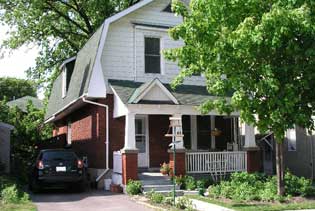
Located north of the Rideau River, south of the Rideau Canal, west of Riverdale Avenue and Main Street and east of Bronson Avenue, Old Ottawa South is a primarily middle-class neighbourhood with roughly 8,000 residents. |
| |
|
|
|
| |
|
|
|
It was originally settled in 1814 by British and American settlers, and is today a neighbourhood full of rich history, great character and charm.
Primarily a middle-class neighbourhood, the houses are mostly in the Craftsman style.
Residents enjoy taking in shows at the Mayfair Theatre, which opened its doors in 1932, and browsing Antique Row, where they can purchase some great historical items.
The Rideau River is the defining feature of Old Ottawa South’s heritage. From the tumultuous cascade at Hog's Back down past the Billings Islands to the stills before its sheer drop into the Ottawa River, the Rideau bounds and dictates the geography of this neighbourhood. It has been reported that it was used for millennia as a trade route between First Nations people of Lake Simcoe and those of the Ottawa.
|
|
|
 |
|
Rockcliffe Mews
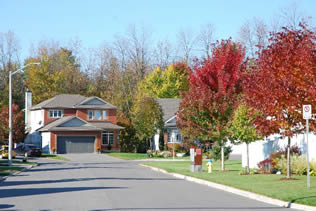
One of the region's best kept secrets! This newer ''infill'' community was constructed on rezoned land once owned by CMHC and features spacious singles and townhomes all built since the late 1990s. |
| |
|
|
|
| |
|
|
| Close to the Aviation Parkway, the Queensway, shopping on Montreal Road, St Laurent Blvd. or Ogilvie Road, it is only a 15 minute drive to downtown and has excellent bus service too. |
|
|
 |
|
Rothwell Heights
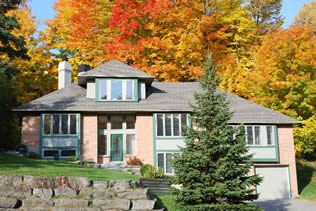
A quiet, established community originally developed in the 1950s with winding roads and a mix of unique period architecture and more recent "infill" estate style homes. |
| |
|
|
|
| |
|
|
| Unusually large lots feature majestic trees in a very private setting, all nestled next to the Ottawa River and its parkway and only a quick drive to downtown. This neighbourhood has seen much development in the past few years as Ottawans discover its charm and elegance and its strong sense of community. Rothwell Heights borders the National Research Council to the west, Beacon Hill to the east, and Montreal Road to the south. |
|
|
 |
|
The Glebe
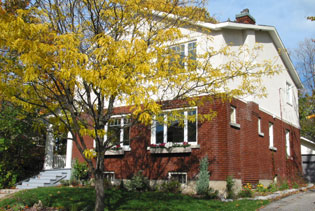
Located just south of the downtown core, The Glebe is a wonderful community steeped in history and character. The area is bordered by the Queensway to the north, Bronson Avenue to the west and the Rideau Canal to the east and south.
|
| |
|
|
|
| |
|
|
|
Despite being one of Ottawa’s wealthier neighbourhoods, it is also one of the most liberal, popular with senior managers with the federal government, although it has traditionally been a stronghold for the New Democratic Party.
A strong community association lobbies the government on local issues like recycling programs and traffic calming, in addition to running a large community centre.
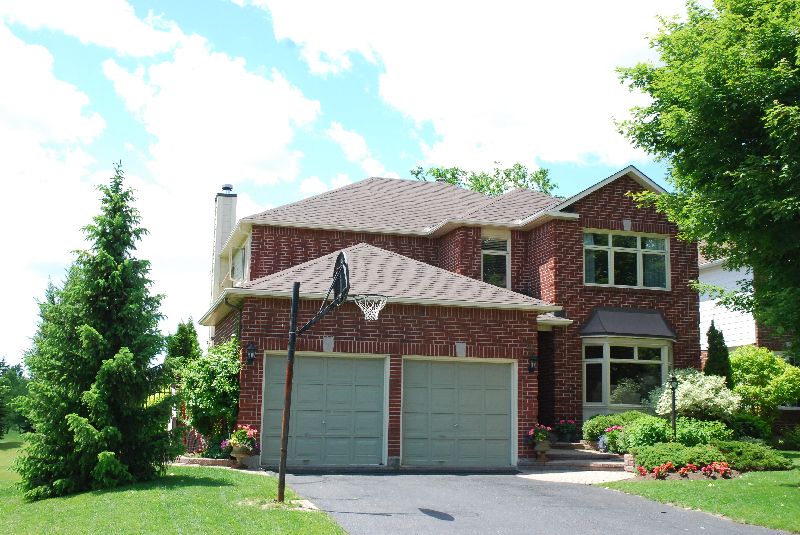
The Rideau Canal trails and parkland wind alongside heritage homes and chic, trendy shops grace its commercial streets. The stretch of Bank Street that runs through the Glebe is one of Ottawa’s premier shopping areas, as well as upscale dining and quaint coffee shops abound for the gourmands, while traditional chip wagons can be found for more traditional treats.
Lansdowne Park and Frank Clair Stadium, as well as several other recreational facilities supply the Glebe and the city of Ottawa with their services. Multiple small parks litter the area, but for the most part are focused along the canal.
|
|
|
 |
|
West Ottawa
The district of west Ottawa refers to many neighbourhoods in the west end of the city including: Shirley’s Bay, Crystal Beach, Rocky Point, Bayshore, Britannia, Britannia Bay, Lincoln Heights, Whitehaven, Glabar Park, Queensway, Highland Park, Kenson Park, Redwood, Graham Park, Qualicum, Leslie Park, Briar Green, Centrepointe, Woodroffe, Bel-Air Park, Bel-Air Heights, Braemar Park, Copeland Park, Navaho, City View, Ryan Farm, Skyline, Fisher Heights, Parkwood Hills, Carleton Heights, Fisher Glen, Borden Farm, Crestview, Meadowlands and the western half of Carlington in the City of Ottawa.
|
| |
|
|
|
| |
|
|
|
In 1996, the electoral district was created from Ottawa West, Nepean and part of Lanark-Carleton ridings. West Ottawa neighbourhoods boast many good schools, lots of green space and a host of amenities and recreational facilities. In 2008, a “superdome” was built at Ben Franklin Park off of Knoxdale Road.
With three indoor fields available for a variety of sports groups and community programs, the facility is home to Canada’s largest indoor driving range. The Bruce Pit on Cedarview Road is home to one of Ottawa West’s most popular toboggan hills and is a favourite with dog walkers, with its miles of greenspace and walking trails.
|
|
|
 |
|
Westboro
Situated along the southern shores of the Ottawa River, north of Hwy 417 and Carling Avenue and west of Island Park Drive, the neighbourhood of Westboro is known for its trendy and vibrant community feel. With a whole range of amenities and resources located throughout the neighbourhood, residents of Westboro have everything they need right at their doors.
|
| |
|
|
|
| |
|
|
Close to cycling trails and white water rapids in the Ottawa River, the cosmopolitan comforts of the city transition easily into a nature escape. Trendy boutiques, gourmet restaurants and coffee shops on Richmond Road have helped turn Westboro into a sophisticated, upscale neighbourhood.
There are a number of community-based churches in the area, including Citywide Church, located in the heart of Westboro, as well as schools and recreation centres.
Access to Hwy 417 is a quick drive away, and the neighbourhood is served by two stations of the rapid-bus Transitway: Westboro and Dominion. OC Transpo routes 18 and 2 serve the residents of this desirable neighbourhood. |
|
|
|